For parents
Many kids in New Zealand love being in and around water. Unfortunately, many young people do not have the skills and knowledge to help them when things go wrong.
A child who can float, control their breathing, and stay calm has more time to survive than a child who only knows how to swim. Survival skills give our children the best chance to think clearly and act safely in an emergency.

What young people learn
Water Skills for Life follows a progressive structure designed to build confidence and competence over time. When your child completes the programme they will know how to swim, but will also understand how to navigate real water environments safely and independently.
Your child will learn:
Confidence in the water – feeling safe and aware
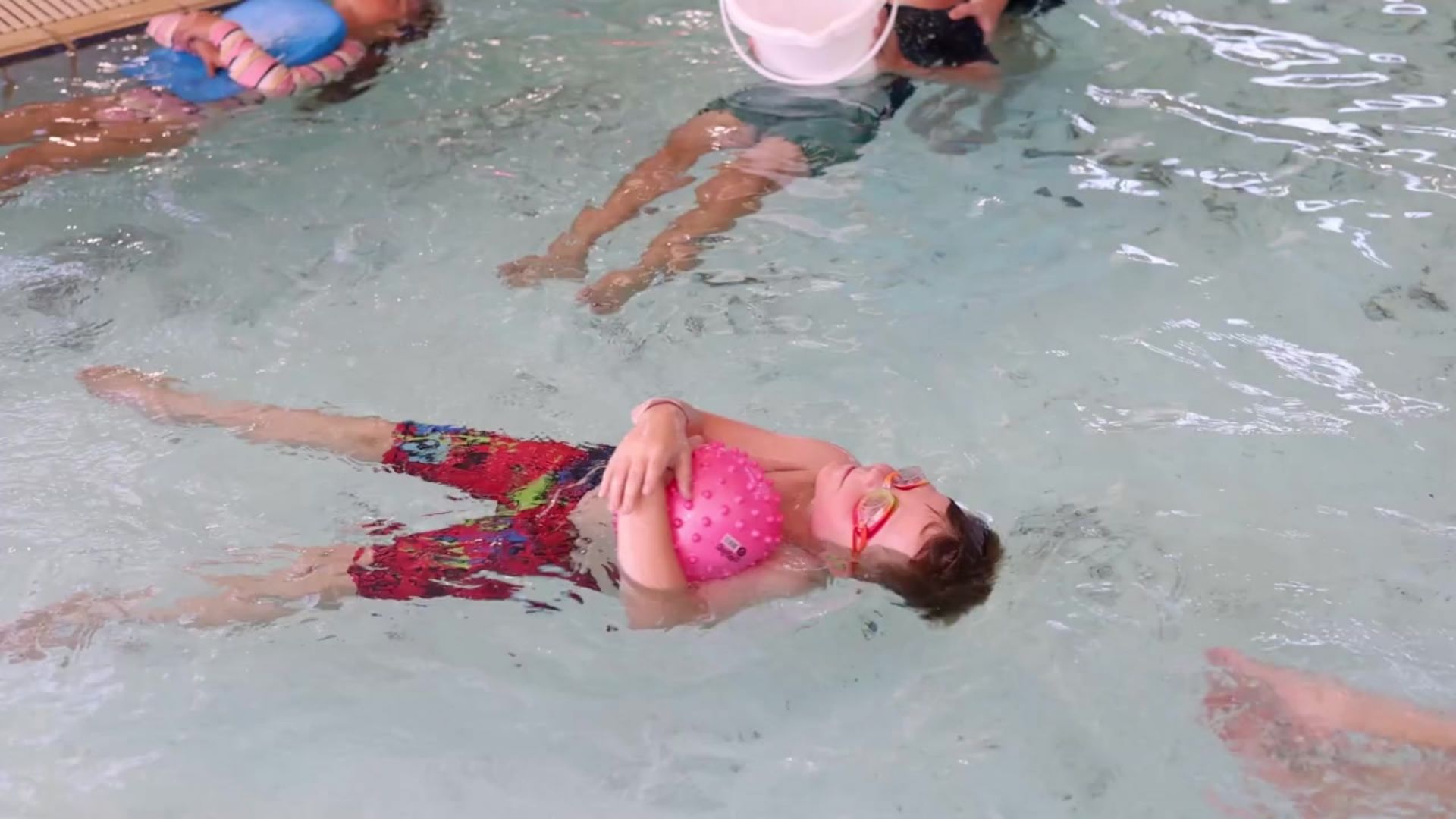
Buoyancy and floating – the foundation of survival
Hazard awareness – recognising rivers, lakes, beaches, and other open water environments
Decision-making under pressure – practicing responses to changing situations
Safe response actions – getting themselves or others to safety
Your role in reinforcing what children learn
You play a key role to help your child:
- assess hazards – recognising when water is safe and enjoyable
- respond confidently in emergencies – practicing safe actions if things change
- make smart decisions – understand choices that protect your child and others
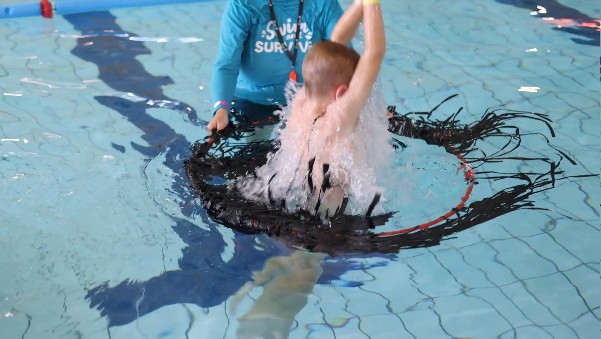
- stay afloat and conserve energy – mastering floating, treading water, and effective movement in open water

How you can support your child
You’re the best person to give your child the best chance to become confident, capable, and safe
- Ask questions – encourage your child to explain what they learned and why it matters
- Practice together – model safe behaviour near rivers, lakes, or beaches
- Talk about choices – explore different scenarios and reinforce positive decision-making
- Celebrate progress – every new skill and growing confidence is a step toward safety
Real-world survival skills are the key to preventing drowning.
Water Skills for Life plays a vital role to prepare the next generation for a safe life around water.
Since the early 2000s Water Safety NZ has tailored water-survival education for the waters and drowning risks of Aotearoa.
Prioritising water survival
Questions and answers for parents, caregivers, and whānau.
Traditional lessons focus on stroke technique, distance, and confidence. Water Skills for Life focuses on survival behaviour and decision making — skills that are life-saving in real-world water situations.
Yes. Swimming distance doesn’t guarantee survival. Water Skills for Life focuses on survival skills — floating, controlling breathing, staying calm, and making safe decisions — which give children the critical first 60 seconds to survive unexpected immersion.
Most drownings happen in rivers, beaches, lakes, and around home or farm water, not pools. These environments are unpredictable, with currents, hidden hazards, and changing conditions.
Your child will learn to:
- recognise danger before entering water
- survive if they fall in
- make safe decisions
- help others safely without becoming a victim
- move efficiently to safety
A child who can float, control their breathing, and stay calm has more time to survive than one who only swims well. Survival skills give them the best chance to think clearly and act safely in an emergency.
They are taught to follow: Float — Breathe — Think — Signal — Move. This sequence helps manage cold water shock, panic, and loss of control.
Children learn how to help safely. They are taught not to enter the water to rescue someone. Instead, they call for help, throw a floating object, and provide reassurance from a safe position.
Instead of asking “Can you swim?” ask “What would you do if you fell in?” Reinforce lessons like:
- Stop and think
- Stay together
- Float first
- Don’t try to rescue by swimming
- Call for help early
No. The goal is to create children who recognise danger, make safer choices, and survive if they fall into water unexpectedly.

Find an approved provider in your area
See our providers that have either been certified by Water Safety New Zealand as Learn to Survive specialists or are affiliated providers supporting this initiative and working towards certification.